
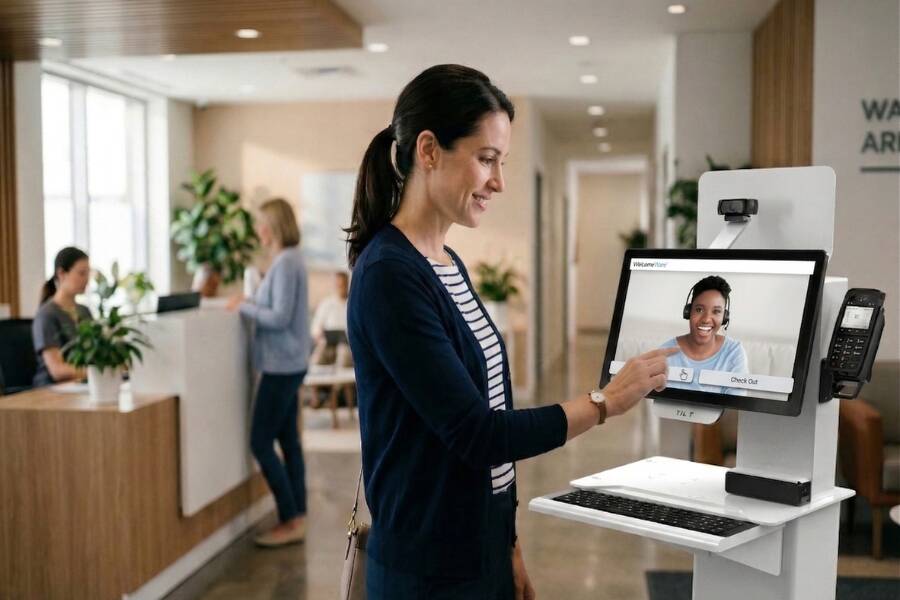
Virtual assistants can handle pre-check-ins, digital intake, follow-ups, and patient feedback, helping clinics stay connected with patients before and after visits.
Missed appointments cost the U.S. healthcare system over $150 billion annually, with physicians losing about $200 for each no-show visit.
Remote administrative support expands front desk capacity using existing EMR and scheduling systems while reducing operational workload and staffing overhead.
In modern healthcare practice, the cost of acquiring a new patient continues to rise, yet the most significant source of revenue loss often goes unnoticed. This “silent churn” often happens in the time between scheduling an appointment and following up after the visit. While clinical care is the priority, a patient’s perception of quality is often defined by how easy or frustrating their administrative journey feels.
Front desk burnout often leads to these vital touchpoints being neglected. When a physical receptionist is juggling a ringing phone, a line of check-ins, and insurance verification, proactive outreach becomes impossible. By delegating key touchpoints to virtual assistants, practices can implement low-cost patient-engagement strategies that leverage their existing tools.
The silent patient journey is the period between appointments when communication breaks down, leading to anxiety, no-shows, and eventually, practice attrition. When patients perceive the check-in process as disorganized, they are more likely to seek care elsewhere, resulting in a significant loss of lifetime patient value.
In busy clinics, the front office typically operates in reactive mode. Staff interact with patients who are physically present but rarely have the capacity to reach out proactively. A remote administrative support team bridges this gap by managing the "white space" in the calendar, ensuring the patient feels supported throughout their entire care cycle, not just during their 15-minute exam.
Personalized pre-check-in is a proactive outreach strategy where a virtual assistant contacts a patient 24–48 hours before their appointment.
The VA can:
A VA can step in to resolve pre-appointment questions. By confirming details, clarifying expectations, and addressing small concerns in advance, VAs can reduce last-minute friction and help patients arrive confident, prepared, and more likely to keep their scheduled visit.
Many practices address this problem by sending automated reminders via text or email. While helpful for basic information, these reminders cannot answer questions about co-pays, insurance verification, parking logistics, or preparation instructions.
Moreover, a brief interaction with the VAs allows patients to communicate small issues and resolve them before they arrive.
Virtual lobby support allows a remote professional to assist patients during the digital check-in process. In practices that use digital check-in systems—such as kiosks, desktops, and online intake tools—patients can quickly connect with a virtual assistant for help completing the process.
This real-time assistance ensures that patients who need guidance can receive immediate support without slowing down the front desk.
Digital check-in systems can significantly speed up patient intake, but some patients may still need quick guidance. A VA can step in to help complete forms, upload insurance cards, or finish digital signatures without interrupting the clinic workflow.
This approach allows in-office staff to stay focused on clinical coordination and complex patient needs. Meanwhile, the VA resolves routine check-in issues in real time, keeping the front desk moving and preventing small delays from disrupting the schedule.
The “Golden Hour” follow-up refers to a proactive patient check-in within 24 hours after a complex visit or procedure. A VA may:
Patients often leave appointments with a lot of information to remember. A follow-up call gives them a chance to clarify details they may have forgotten to ask during the visit. This outreach also helps prevent referral leakage. If a patient was advised to see a specialist, the VA can confirm the appointment was scheduled and ensure the care plan continues.
Closing this loop strengthens patient trust while improving long-term health outcomes.
Closed-loop feedback is a proactive strategy where a virtual assistant contacts patients to ask about their experience. This allows practices to address concerns privately before they appear on public review platforms.
A VA can follow up with patients after their visit to identify small frustrations that might otherwise go unspoken, such as long wait times, billing confusion, or difficulty scheduling a follow-up appointment.
When concerns surface, the VA can immediately escalate the issue to the appropriate staff member. Addressing problems early often prevents frustration from escalating into negative online reviews and shows patients that the practice values their experience. Ultimately, this leads to patient loyalty and long-term retention.
Remote front desk support expands administrative capacity without requiring practices to hire and manage additional in-office staff. Instead of adding another employee to the payroll, practices can extend front desk support while avoiding the operational responsibilities that typically come with staffing.
With a managed virtual assistant solution, practices avoid administrative responsibilities such as:
The provider handles onboarding, infrastructure, and workforce management, while the practice focuses on training the VA to follow its workflow and patient communication standards.
From a financial perspective, the comparison is straightforward. The cost of virtual support is often far lower than the revenue lost from missed appointments, patient attrition, or front desk overload.
Because VAs work within the practice’s existing EMR and scheduling systems, clinics can expand administrative support without adding new software or changing their workflow.
This allows the in-office team to stay focused on the patient in front of them, while the virtual team manages scheduling coordination, follow-ups, and patient communication in the background.
Effective patient engagement rarely depends on flashy marketing or "cutting-edge" gadgets. More often, it comes down to consistent communication and reliable follow-through.
Virtual assistants allow healthcare practices to maintain these touchpoints without overwhelming the front desk. By managing key moments in the patient journey—before visits, during check-in, and after care—VAs help ensure patients never feel overlooked between appointments.
Some practices are beginning to formalize this approach by incorporating dedicated virtual support into their front desk workflows. Services such as Welcomers provide trained remote assistants who specialize in patient communication, scheduling coordination, and digital check-in support.
Rather than replacing the in-office team, this model adds another layer of coverage, helping maintain consistent patient touchpoints. Over time, these touchpoints strengthen the three drivers of modern practice growth: revenue stability, positive patient reviews, and word-of-mouth referrals.


