
Revenue Loss: Clinics using fully automated kiosks often see a decline in co-pay collections: with some reports indicating decreases as high as 45 percent.
Patient Frustration: While technology use is rising: data shows that 67 percent of consumers have experienced self-service technology failing during use.
Operational Bottlenecks: Automated systems lack the empathy to de-escalate aggrieved patients: which frequently forces clinical providers to stop treatment and resolve front-desk errors.
Patient first impressions dictate the success of every healthcare practice. While automated check-in kiosks appear to offer convenience and lower costs: they often create significant barriers to quality care. Many clinics adopt self-service technology to reduce headcount: yet find that these machines cannot manage the emotional and administrative needs of a diverse patient base. A high-performing front desk requires more than just a digital interface: it requires the human ability to solve problems and build trust. Understanding the functional gaps in fully automated systems is essential for protecting your clinic's revenue and patient retention.
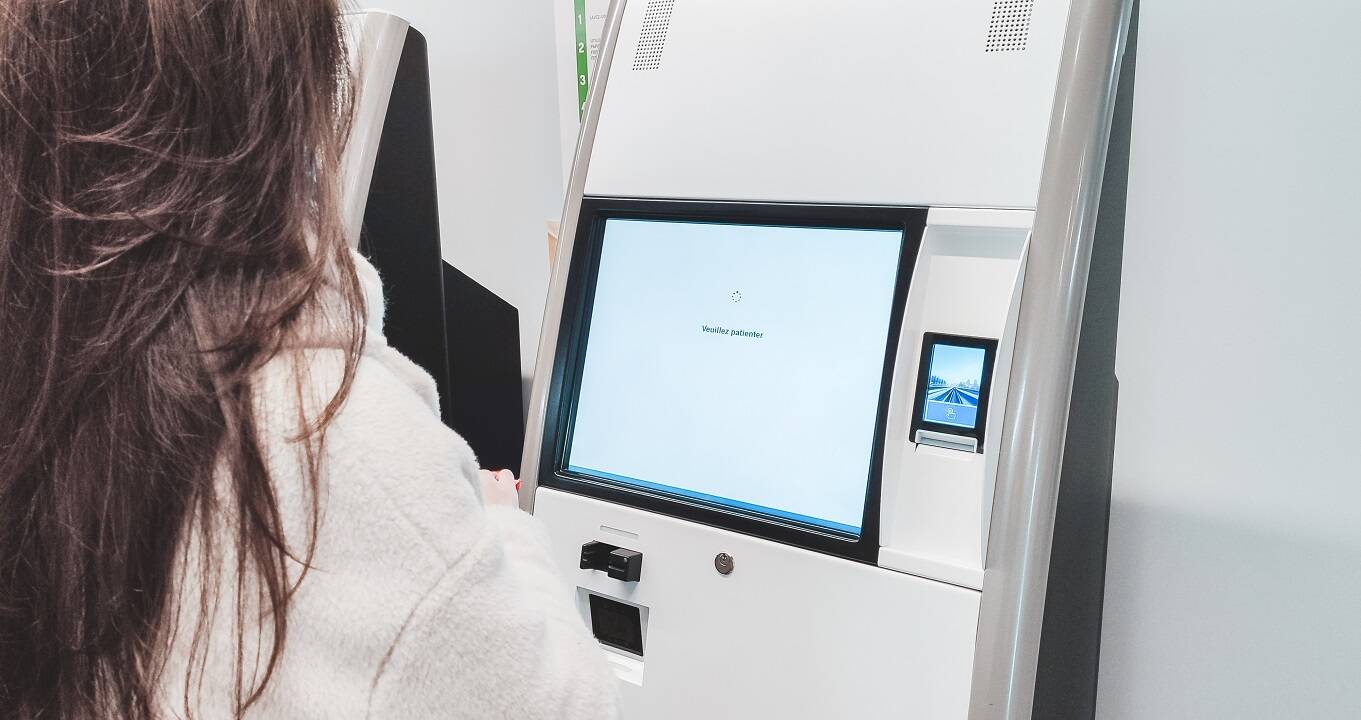
Self-service kiosks aim to deliver speed: but technical malfunctions often impede clinic flow. Research from 2024 highlights that 43 percent of consumers require help from in-person staff when interacting with these systems. These failures lead to long lobby wait times and a poor patient experience.
Older age groups often feel uncomfortable with digital check-ins. When a patient in pain encounters a non-responsive screen: their frustration increases. This friction reduces patient satisfaction and retention in the long run.
The "human touch" is a core requirement for patient recovery. According to PwC research: 75 percent of customers want more interaction with real people as technology becomes more prevalent. An automated machine cannot greet a visitor with a smile or calm a nervous patient.
Human receptionists identify subtle cues that machines miss. They build relationships that increase the lifetime value of a single patient. Relying on a virtual medical assistant allows you to retain this warmth while gaining the efficiency of remote work.
Managing a provider calendar is a skill that requires deep familiarity with clinical workflows. Patients often struggle to choose the correct appointment type when using a kiosk. This leads to schedule disorder and provider burnout.
A live professional can match patient preferences with clinical needs. They ensure that scheduling and follow-up tasks align with the doctor's availability. Automated kiosks move this burden to the patient: which adds stress and reduces follow-up bookings.
Human receptionists maintain the revenue cycle by collecting co-pays at the point of service. They can discuss payment options with patients who lack traditional insurance. This empathy is absent in a kiosk.
Patients are more likely to delay payment when interacting with a machine. Recent industry findings show that 80 percent of unbilled appointments are never collected. A live virtual front desk software system allows a remote receptionist to ask for payment directly: which preserves the clinic's revenue cycle ROI.
A machine cannot understand when a patient might benefit from additional services or promotional offerings. Receptionists use their knowledge of the practice to upsell and book future sessions.
If a patient leaves without booking their next visit: the practice loses long-term revenue. A professional Welcomer can verify if a patient needs a follow-up before they exit the building. This proactive approach prevents the administrative gaps often caused by high turnover in traditional roles.
Kiosks often amplify the need for onsite staff rather than removing it. Patients with complex HIPAA challenges or insurance questions still require human assistance. When no receptionist is available: providers must leave the treatment room to help.
Using receptionist kiosks with live-streaming capabilities provides a better alternative. This model allows a remote employee to see and hear the patient: which ensures every question is answered without bothering the clinical team.
Over time, the benefits of self-service kiosks become very limited — in fact, they can be detrimental to your business. Despite how advanced they can become, self-service kiosks will always fall short of facilitating the patient experience like human receptionists do. In other words, when it comes to the customer experience, the human touch always prevails.
WelcomeWare is a virtual front desk platform that offers operational efficiency through kiosk technology while retaining the warmth of personal interaction with live patient care coordinators. Discover the power of video receptionist kiosks through WelcomeWare’s live virtual receptionist service!


