
Hybrid work solutions and virtual receptionist software improve employee safety, reduce exposure, and maximize efficiency.

93% of employers plan to expand well-being offerings due to health being a top strategic priority.
50% of long-term sick leave is due to stress, depression, or anxiety.
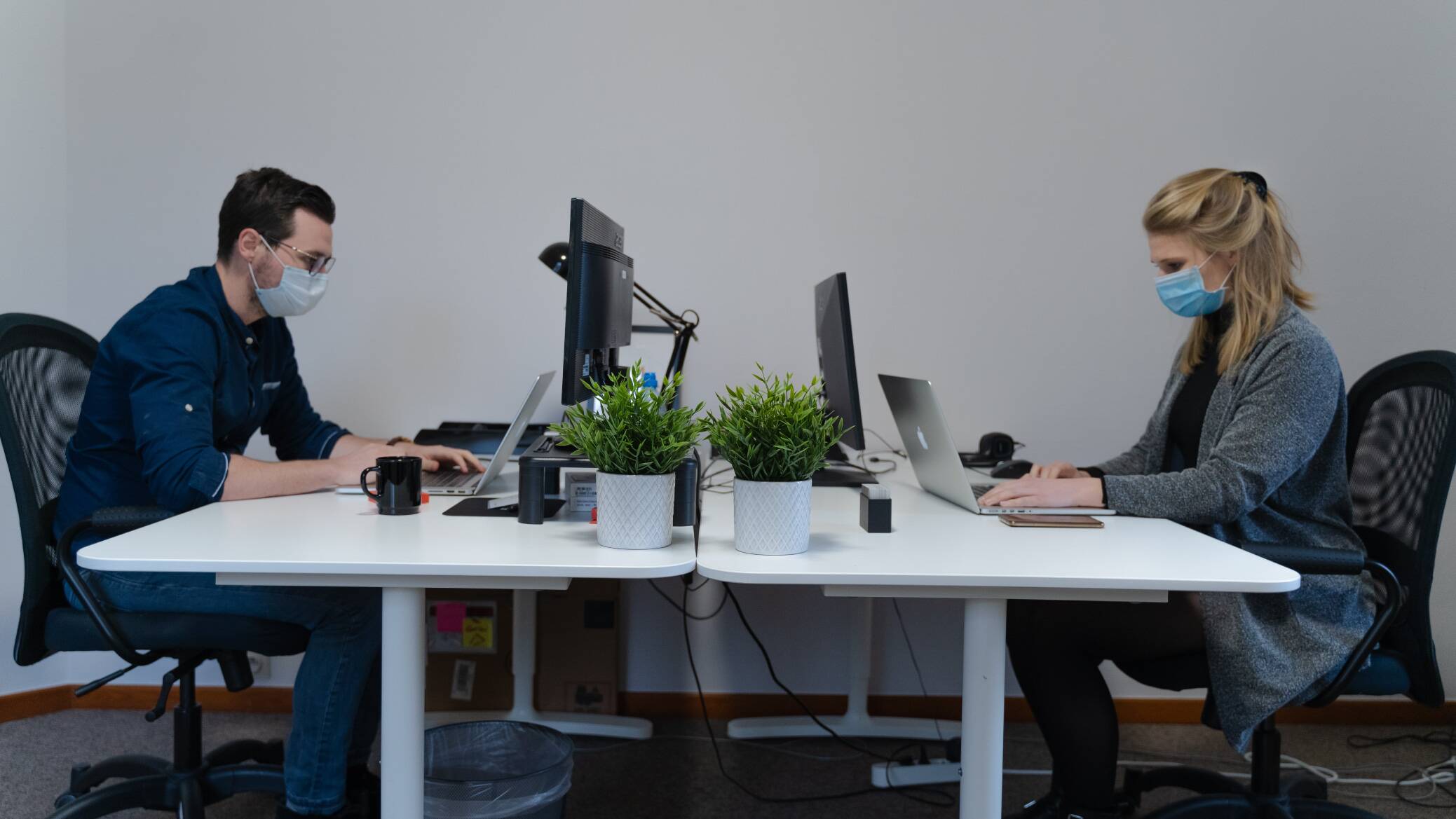
The safety of your staff is the primary requirement for a functional and profitable business. As organizations return to on-site work or maintain hybrid offices, employees often feel anxious about health risks and workplace stress. An employer has a professional duty to keep the team healthy, as they are the foundation of all company operations. Recent data indicates that 93% of employers now plan to maintain or expand their well-being offerings because health is a top strategic priority. By applying proactive safety measures and mental health support, a business can reduce turnover while improving overall productivity.
Employees always face some level of health risk at the workplace. Modern safety regulations are necessary to protect your staff. Effective health and safety protocols include:
Receptionists and intake staff engage in face-to-face interactions regularly. These team members require unique safety regulations to ensure the best protection. By prioritizing their safety, you maintain a high-performing front desk that can resolve issues before they escalate.
An unsafe environment causes stress and anxiety. This directly impacts how your team performs. It is crucial to keep the office a safe space away from biological and physical hazards.
You can improve your workplace safety by:
Creating a secure environment helps reduce the high cost of medical staff turnover because employees feel valued in their roles.
The daily commute is a significant source of stress. Public transportation often provides no guarantee of safety from seasonal illnesses or city pollution.
If possible, make travel safer by setting up carpool arrangements or offering flexible start times to avoid peak crowds. While these logistics may incur minor expenses, the payoff in safety and improved productivity is a worthy investment. Reducing commute stress allows your team to arrive at work with higher morale and focus.
Employee safety involves more than physical health: it includes mental well-being. Protocols alone cannot guarantee that employees feel safe. Each person has unique circumstances that standard policies might not cover.
Recent 2025 findings show that 50% of long-term sick leave is now due to stress, depression, or anxiety. Talk to your employees openly about their workloads. Ask them if current protocols are reassuring. Encouraging open dialogue helps you identify where to improve the environment and increases employee retention by building a culture of trust.
Allowing employees to work off-site is a highly effective way to keep them safe. It removes the risks of travel and on-site health exposure entirely. The value of your company lies in your people, not the office building.
For roles that typically require a physical presence, such as the front office, consider virtual receptionist software. These solutions allow your staff to work remotely while providing the same level of service. By using virtual medical assistants, you protect the health of your team while potentially covering several sites at once. This maximizes efficiency without compromising the health of your dedicated Welcomers.


