
Structured Evaluation: Success starts with a culture-based rubric that balances technical expertise with interpersonal soft skills.
Objective Testing: Using mock calls and timed administrative tests provides measurable data that standard interviews alone cannot reveal.
Retention Strategy: Hiring is only the first step. Establishing a foundation of teamwork and career growth is essential to combat the 17 percent turnover rate seen in clinical support roles.
A front desk receptionist contributes directly to the success of your business. It is vital to consider their specific abilities, personality, and loyalty to your company. These factors ensure you build a professional front desk that lasts. Failing to hire correctly often leads to constant turnover and an inconsistent customer experience. Recent 2025 industry data reveals that 90 percent of healthcare leaders view staffing as a top strategic priority due to persistent labor shortages. You must take the necessary steps to hire the right person the first time to protect your clinic growth and patient satisfaction.
Before you post a job listing, you need to define the specific responsibilities of the position. It is best to create a rubric tailored to your company. This gives you a clear perspective on your ideal candidate. You can design your rubric based on three main criteria:
Ideally, you want to shape this rubric around your company culture. This allows you to see which applicants are truly compatible with your environment. Once your job description is refined, place the posting on high-visibility boards like Indeed, LinkedIn, or Glassdoor.
A thorough interview process allows you to gain deep insight into each candidate. Ideally, you should conduct two to three interviews, each with a specific purpose.
This 10 to 15 minute conversation lets you quickly evaluate qualifications. Focus on their previous work experience and why they are interested in the position. Since the front desk is responsible for first impressions, their performance in this initial window reflects how they will represent your business.
An interview cannot always prove how a candidate will perform under pressure. To know if they are up to the task, develop short tests to measure specific skills:
The final stage should pressure test the candidate's values. Compatibility with the company should be the deciding factor. Ask about times they were motivated or demotivated to uncover their core behaviors. It is often helpful to have a front office manager or lead supervisor conduct this session.
Your selection should come from a combination of quantitative scores from your rubric and qualitative feedback from your team. As a final step, check referrals to answer any lingering questions about potential fit.
The hiring process may end with an offer, but engagement is an ongoing affair. Keeping your new receptionist involves giving them reasons to stay. Provide opportunities for career advancement and establish a foundation of teamwork. Given that receptionist turnover is a persistent issue in healthcare, with over 128,000 openings projected annually, retention is your best defense against staffing gaps.
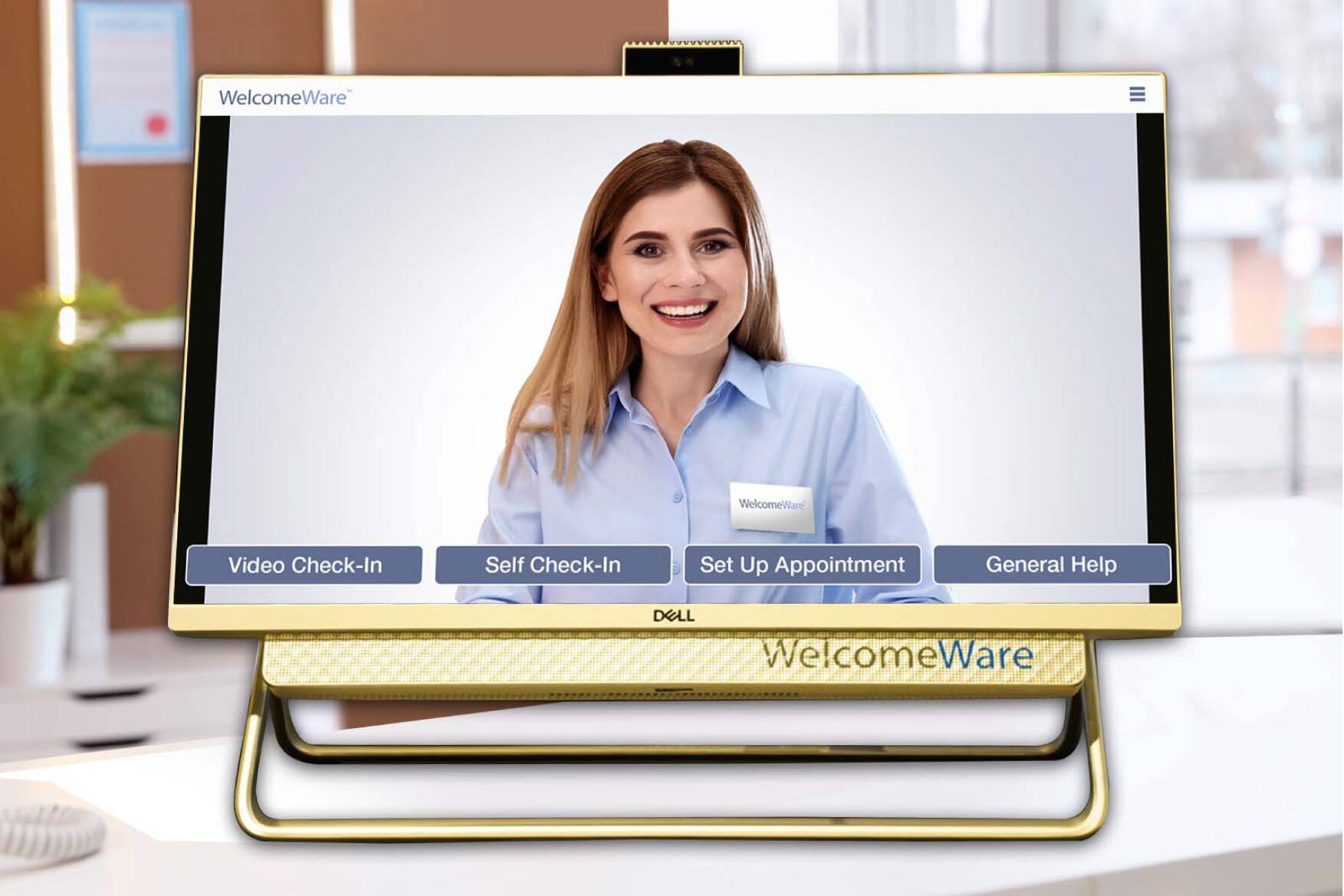
If the hiring process feels grueling, consider how technology can help. A virtual front desk provider allows your best receptionists to cover multiple locations. This can take away the hassle of constant hiring and help scale your best talent across your entire organization.



