
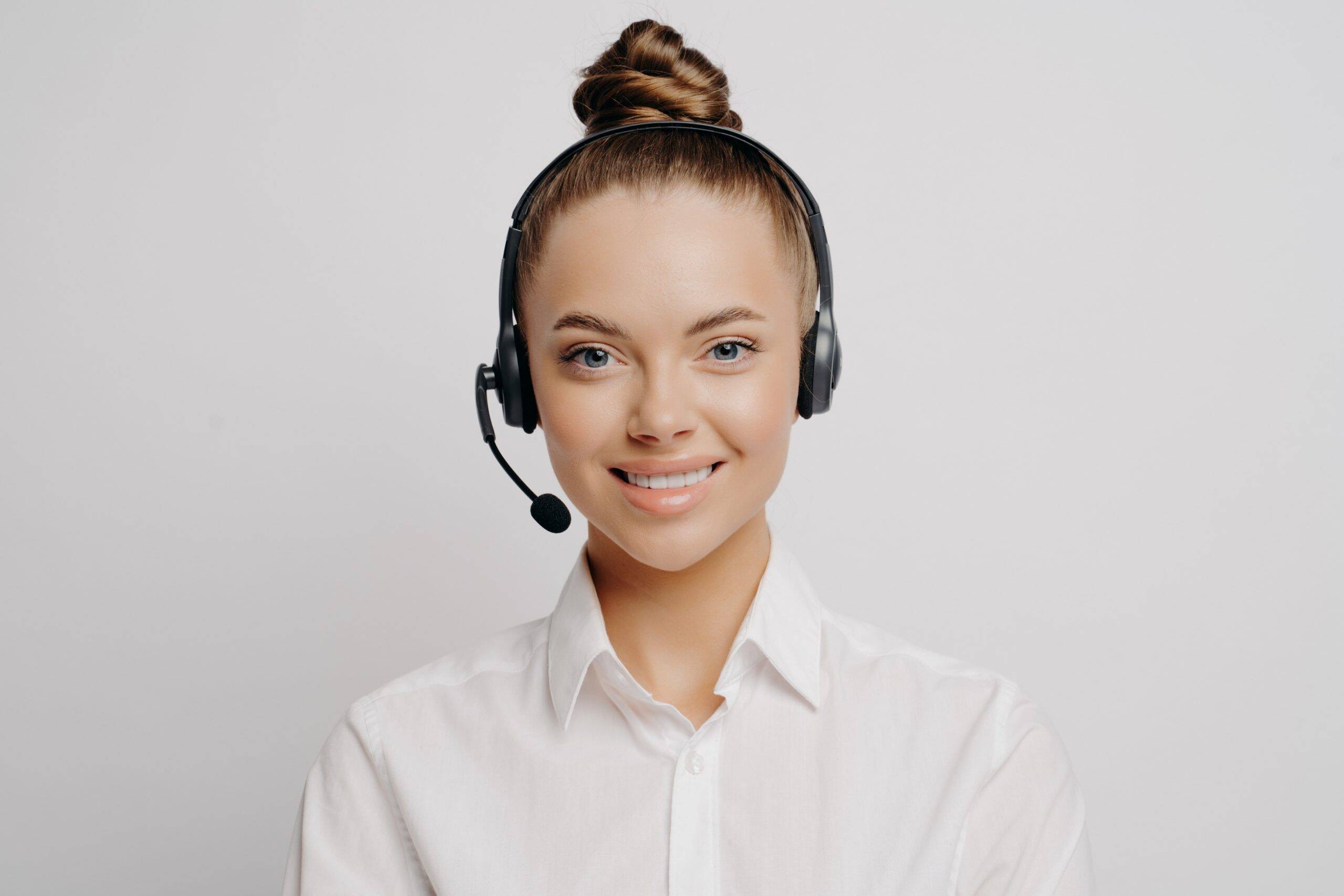
Live Human Interaction: Remote receptionists use high-definition video kiosks to greet and assist guests personally.
Location Flexibility: One staff member can manage the lobby of a single office or several branch locations simultaneously.
Complete Task Management: These professionals handle check-ins, phone calls, and administrative deliveries through integrated software.
A remote receptionist is a live professional who manages front-desk duties from a separate location. Unlike automated systems, this person uses video and audio technology to interact with visitors in real time. Businesses use this model to centralize their operations while maintaining a human presence at the entrance.
A remote receptionist operates through a digital station connected to your physical office. When a guest enters your building, they approach a virtual receptionist kiosk. The receptionist receives a notification and appears on the screen to provide assistance.
This model solves the problem of empty desks. According to 2026 industry projections, the global market for live virtual receptionist services will reach $1.8 billion as more firms move away from traditional staffing. By using WelcomeWare, companies ensure that every visitor finds a helpful person waiting for them.
The responsibilities of a remote staff member mirror those of an on-site employee. They act as the primary point of contact for the organization. Using front desk management software, they perform several daily actions:
These tasks are vital for operational flow. Recent Bureau of Labor Statistics data indicates that receptionists hold approximately 1 million jobs, but growth is shifting toward digital roles as automation handles routine filing.
Cost and efficiency are the primary reasons for this transition. A remote model allows a single employee to manage multiple locations from one desk. This eliminates the need for redundant payroll across various sites.
Furthermore, 96.5% of consumers report that a fast response is a top priority when dealing with a company. A remote setup ensures that someone is always available to answer a call or greet a visitor. It also provides a contactless check-in option that enhances lobby hygiene. When you live-stream a receptionist, you provide a high-tech experience that reflects a modern brand.
A remote receptionist works best when paired with a visitor management system. This software logs every guest and provides data to the business. Management can see exactly who is in the building and when they arrived. This visibility improves security and helps staff prepare for scheduled appointments.


