
Workload Alignment: Reducing stress begins with a clear audit of job descriptions to prevent "role creep" and ensure administrative tasks match the staff capacity.
Technological Support: Automation of repetitive tasks: such as data entry and calendar reminders: can save clinicians and staff valuable minutes per patient encounter.
Remote Flexibility: Transitioning to a virtual front desk model can eliminate long commutes and office distractions: which boosts productivity by up to 13.5 percent.
Your receptionist serves as the primary gateway for every customer interaction at your office. Without proper systems and supportive tools: front desk staff can feel overwhelmed: their performance can deteriorate: and eventually: they may exit the workforce. Protecting your team from burnout is a professional necessity for any clinic leader. A strained front office leads to errors: patient dissatisfaction: and administrative instability.
Recent 2025 data shows that nearly 50 percent of healthcare workers reported feeling burned out within the past month. By identifying the root causes of workplace pressure and implementing strategic solutions: you can improve both employee well-being and organizational efficiency.
To help your receptionist: you must first identify the specific factors burdening them. Staff often feel overwhelmed when they handle a heavier workload than their role requires. Understanding these stressors allows you to develop an effective relief plan.
You can diagnose these issues by following these steps:
It is common for front desk employees to take on more responsibilities over time. Allowing this to continue leaves the impression that the organization does not value their time. This leads to the high administrative turnover rates currently seen in the healthcare sector.
The solution is to take note of every task your receptionist performs and enforce the specific scope of their role. When you protect their time: you maintain a high-performing front desk that remains focused on patient greetings and intake.
A hectic workflow is a primary driver of burnout. Receptionists often need to multitask: but without the proper tools: their performance suffers. Optimizing the workflow allows them to work productively without exhaustion.
Consider these optimization strategies:
Observation alone cannot tell you everything about a staff member's situation. You must communicate with them directly to get to the heart of the problem. No one knows the workload issues better than the person experiencing them.
Establish a regular meeting schedule to discuss concerns together. Ask direct questions:
This feedback provides useful information on how to help. It also keeps staff engaged by showing you care for their well-being.
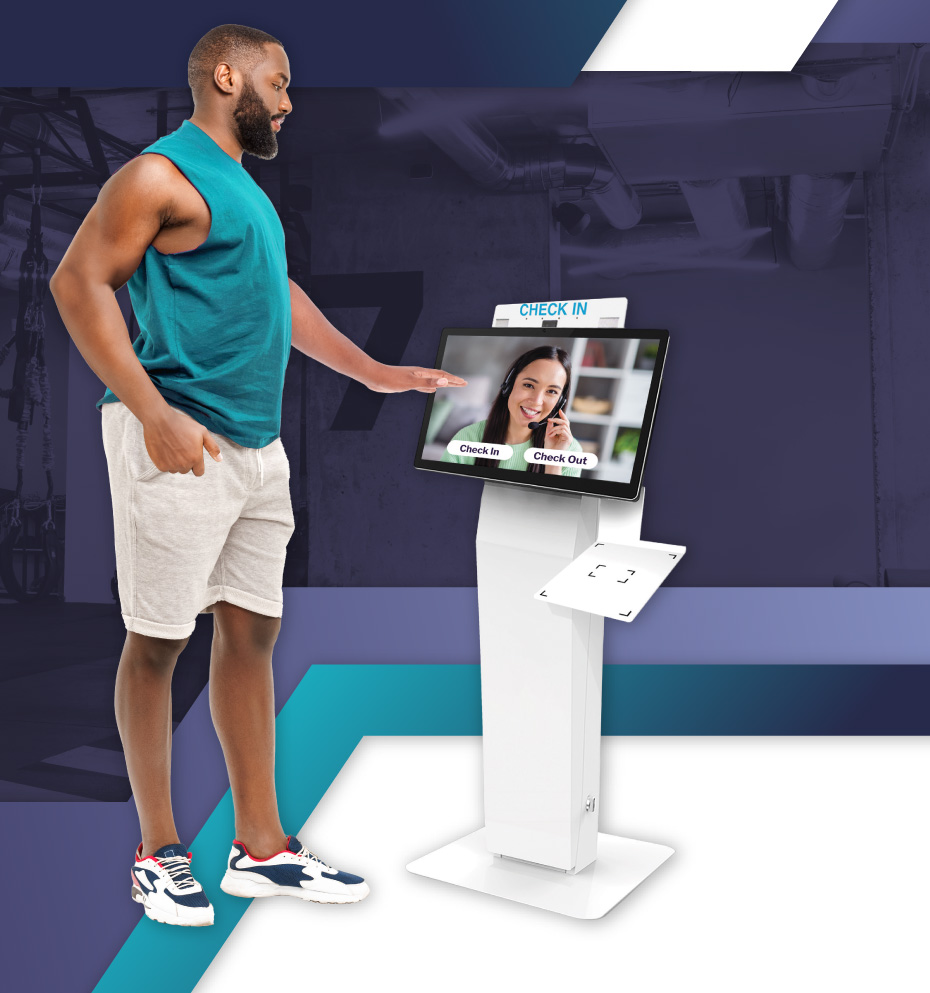
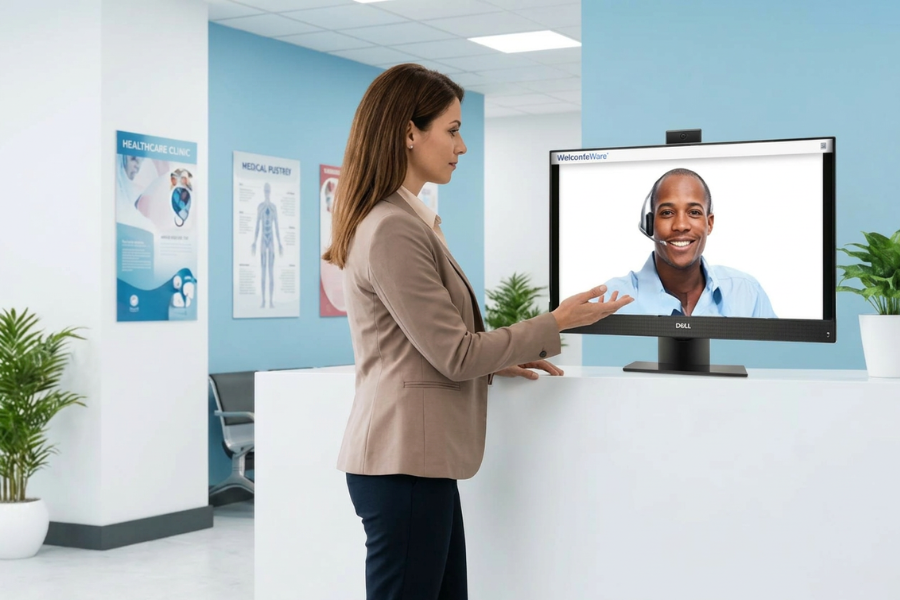
Technology now makes remote work setups a practical alternative for the front office. Using a platform like WelcomeWare allows your receptionist to work at home without losing productivity.
A virtual receptionist platform eliminates long commutes and removes noisy office distractions. Recent 2025 labor data confirms that remote staff often log 51 more productive minutes per day than their office based peers. Protecting the health of your team through virtual medical assistant roles ensures your clinic remains a safe and healthy environment.