
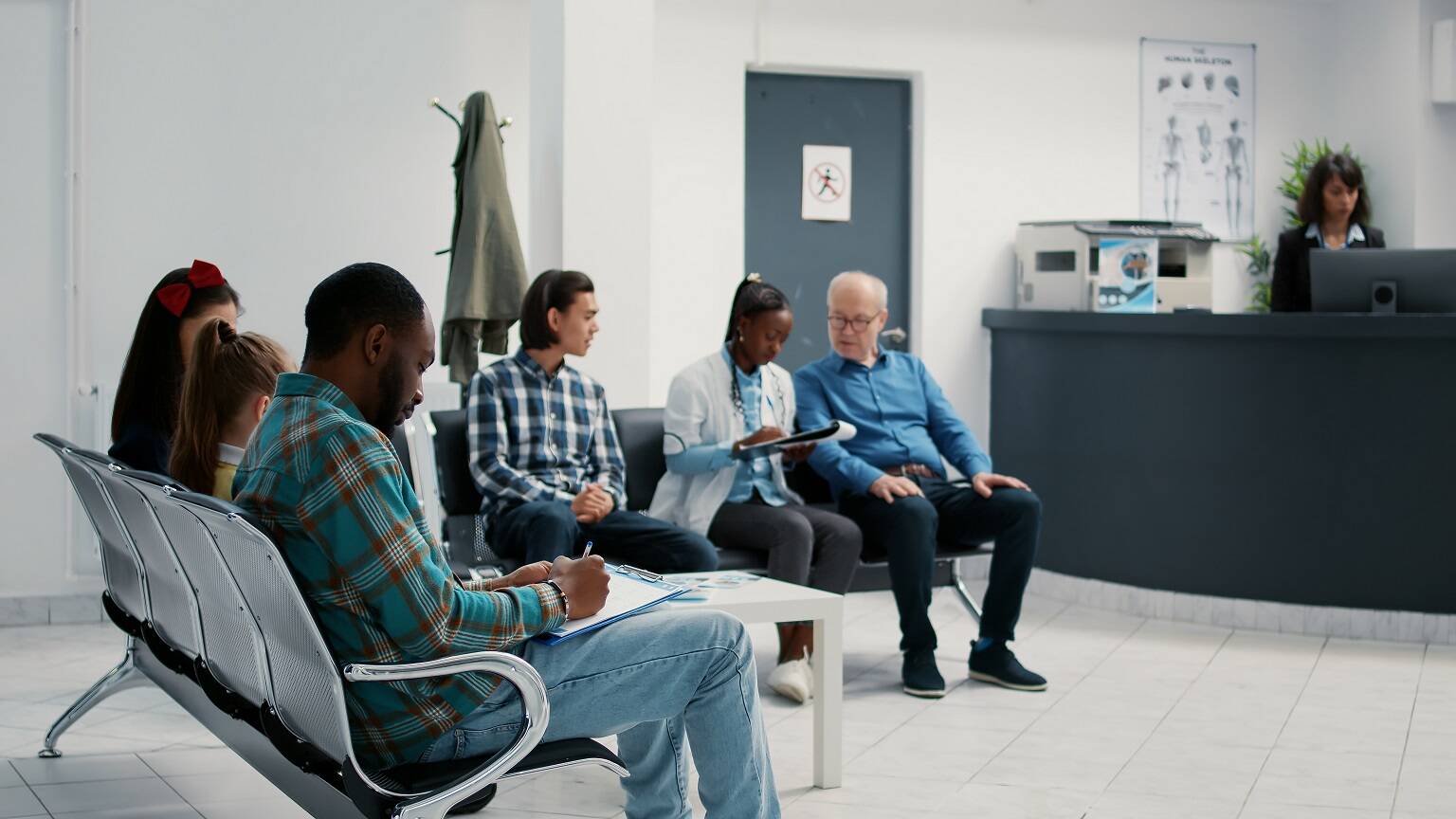
The first few minutes a person spends in your office sets the tone for their entire clinical experience. When a patient sits in a room that feels neglected or chaotic, they begin to question the quality of the medical care they are about to receive. Transforming this space into a calm, efficient environment is a practical necessity for any modern practice.
Patients often view the waiting room as a reflection of the provider's competence. If the lobby is disorganized or the staff seems overwhelmed, it creates an immediate sense of unease. A well-managed room tells the patient that the clinic is professional and that their time is valued. This is where the patient-provider relationship actually begins. Utilizing a virtual receptionist can help ensure that every person is greeted immediately, even during busy shifts.
Comfort is about physical ease and mental distraction. Good seating is essential; chairs should be supportive and spaced out enough to give people personal room. Simple additions like reliable Wi-Fi, power outlets for phones, and a clean water station go a long way. Beyond physical items, the atmosphere matters. Natural light and a quiet environment help lower blood pressure before a patient even sees a nurse.
Data suggests that after 20 minutes, patient frustration begins to climb significantly. However, the "perceived" wait time is often more important than the actual clock time. If a patient is sitting in a room with nothing to do, every minute feels like five. If they are engaged or have been given a clear timeline, they are much more patient. Efficient front desk healthcare management is key to keeping these timelines accurate.
A clean room is a safe room. High-traffic surfaces like door handles, armrests, and kiosks need to be wiped down throughout the day. Beyond cleanliness, you should follow the 7 steps of patient safety to ensure a high standard of care:
When it is time for the appointment, the staff member should walk into the room rather than shouting from a doorway. Using a patient's first name is usually best for privacy, but always confirm their full identity once you are in a more private hallway. Maintain eye contact and walk at the patient's pace. This transition is a great time to build rapport and observe how the patient is moving or feeling.
Anxiety is highest in the ER because the wait is unpredictable. The best way to keep people calm is through transparency. Explain how the triage process works and why certain patients are seen faster than others. When people understand that the "wait" is a result of life-saving priorities, they tend to be more understanding.
When a patient becomes agitated, the first step is to listen without interrupting. Often, they just want to feel heard. Keep your voice low and calm. If a patient becomes disruptive to others, try to move the conversation to a private area. Using remote receptionists can sometimes help de-escalate situations by providing a consistent, professional point of contact that isn't overwhelmed by the physical chaos of the room.
The best modern practices are moving toward a "frictionless" model. This includes things like digital check-ins from a phone so patients can wait in their car or a nearby cafe until their room is ready. Some clinics have moved toward digital reception to create a more welcoming, concierge-style greeting that replaces the old glass sliding window.
A stressed patient is a difficult patient to treat. If someone has been stewing in a loud, uncomfortable room for an hour, their heart rate and cortisol levels will be high. This can lead to inaccurate readings and a breakdown in communication with the doctor. A calm wait ensures the patient is in the right frame of mind to discuss their health and follow medical advice.
The role of a receptionist changes depending on the type of care provided. While the basics of politeness and organization remain the same, the specific needs of different fields require a specialized front desk solution.
The challenge of enabling a remote front desk for your clinic is finding the optimal equipment. WelcomeWare offers an all-in-one software and hardware solution that allows clinics to enable remote reception with their current front desk team. This solution also offers various types of kiosks to fit the current needs and specifications of your waiting room, including freestanding kiosks and desktop kiosks. With WelcomeWare, you can rest assured that your front desk operations will run smoothly.


